Everyone Saw the Text. Nobody Moved. That’s the Thriller.
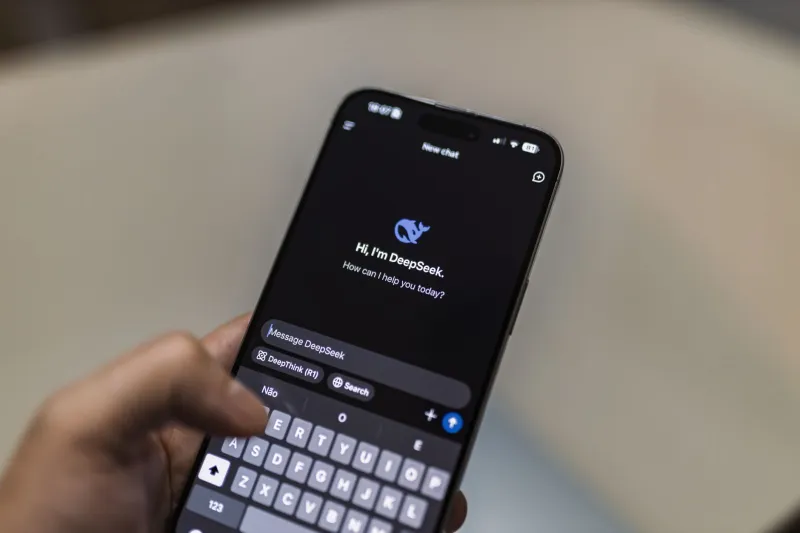
At 2:13 a.m., your phone lights up. A message from a friend in the group chat: 'Someone is in the backyard.' You see it. You see the little 'Read by 4' under it. You see the typing bubble appear. Then vanish. Then appear again. Nobody says anything. By sunrise, the thread has moved on to brunch plans and a meme about a raccoon. The friend never brings it up. Neither do you.
That, right there, is a thriller setup in 2026—and the group chat is the liar at the center of it.
For decades, horror and suspense relied on the isolated witness: the one person who saw the shape at the window, the one who picked up the phone and heard breathing. Modern thrillers have a new tool, and it’s not a masked killer or a haunted house. It’s a thread full of people who all have the same information and still do nothing. The group chat is the most unreliable narrator we carry in our pockets, because it records presence without proof, attention without action, and consensus without courage.
The Read Receipt Is Not a Witness
A read receipt feels like evidence. In a thriller, it becomes a weapon. A character screenshots the thread, zooms in on the tiny blue text, and says the line we all dread: 'You saw it. You saw it at 11:47 and you didn’t answer.'
But seeing is not believing, and believing is not acting. That’s the gap 2026’s smartest suspense stories live in. The receipt proves the message landed. It does not prove anyone took it seriously. It does not prove anyone called the police, checked the locks, or walked next door. It proves eyeballs touched glass.
Here at Crying Wolf, we know the old fable by heart. The boy cries wolf, the village stops listening, and the real wolf arrives to a chorus of shrugs. The group chat updates that story for the screenshot era. Now the village has receipts. The village has timestamps. The village can prove it saw the wolf. The village still rolls over and goes back to sleep. That’s not a failure of information. That’s a failure of nerve—and it’s terrifying.
Typing Bubbles and the Performance of Concern
The typing indicator is the group chat’s jump scare. It appears, and your brain floods with anticipation. Someone is responding. Someone is going to say the thing that breaks the tension. Then the bubble disappears. Then it comes back. Then it disappears again.
In a thriller, that little animation becomes a character in itself. It’s the person who wants to say something but won’t. It’s the coward typing and deleting, typing and deleting, while the threat gets closer. The bubble is a promise of engagement. The silence after is the betrayal.
Directors love it because it’s cheap and intimate. A close-up of a phone screen can carry more dread than a whole set piece. The audience reads the bubble the way we read a creaking door. We know something is about to happen. We just don’t know who has the guts to type it.
The Group Chat Makes Consensus Out of Nothing
Here’s the nasty psychology of the thread. If one person sees a warning and stays quiet, that’s doubt. If twelve people see it and stay quiet, it starts to feel like agreement. Nobody wants to be the first to overreact. Nobody wants to be the one who calls 911 over a noise. So the thread goes quiet, and the quiet gets misinterpreted as 'it’s probably nothing.'
That’s the bystander effect with a blue checkmark. In a group chat, everyone assumes someone else is handling it. The person who sent the warning assumes the others are on it. The others assume the sender was joking. The whole thread becomes a machine for manufacturing false consensus. The scariest false alarm isn’t the one nobody hears. It’s the one everybody sees and silently agrees to ignore.
Modern thrillers have figured this out. The group chat isn’t just a way to deliver exposition. It’s a way to make the audience complicit. We watch the messages pile up. We watch the read receipts multiply. We watch nobody move. And we start to wonder what we would have typed.
Disappearing Messages and the Fear of the Unprovable
Then there’s the disappearing message—the thriller writer’s new favorite toy. A threat arrives, then self-destructs. A photo vanishes. A voice memo expires. The group chat becomes a narrator you can’t cross-examine, because the evidence is gone.
That’s a different kind of horror. The old wolf story was about a boy who lied too many times. The new one is about a thread where the truth was right there, and then it wasn’t. Screenshots help, but screenshots can be faked, cropped, or dismissed as a joke. The character who tries to prove what happened ends up sounding like the boy who cried wolf—except this time the wolf was real, and the proof was designed to evaporate.
Why 2026 Thrillers Trust the Group Chat Least
We live in these threads. Family Thanksgiving plans. The dorm group. The neighborhood watch. The friends who only text in memes. The group chat is where we perform normalcy. It’s also where we hide. A threat can sit in the thread for hours while everyone waits for someone else to be the adult.
That’s why the group chat is such a sharp tool for suspense in 2026. It turns the audience into a detective and a suspect at the same time. We can see the warning. We can see who read it. We can see the silence. And we still can’t force anyone to act.
Crying Wolf lives in that same sweet spot. The film understands that the most dangerous alarm isn’t the one that gets ignored by strangers. It’s the one that gets read, liked, and quietly buried by the people who were supposed to have your back. The wolf doesn’t need to break down the door. It just needs to wait until the thread goes quiet.
So the next time your phone lights up at 2:13 a.m., check the read receipts. Check the typing bubble. Check the silence after. The scariest thing in the group chat isn’t the message. It’s everyone who saw it and said nothing.