The Long Game: Why 2026’s Scariest Villains Make You Burn Your Own Credibility
There’s a moment in every great thriller when the hero starts sounding insane. Not because they are—because they’re right too early. The new villains of 2026 have figured that out. They don’t burst through the window in the first act. They don’t leave a bloody handprint on the mirror just to remind you the movie has a budget. They wait. They let the hero shout, plead, and point at shadows until every friend, cop, and skeptical spouse has mentally filed the whole thing under “stress.” Then they move.
That’s the engine behind the year’s most effective screen menaces, and it’s the engine running under Crying Wolf. The film doesn’t treat its threat like a firework. It treats it like a rumor with a schedule—something that gains power every time the protagonist is forced to say “I told you so” to a room that has already stopped listening.
The Villain Who Doesn’t Knock
A patient antagonist is a credibility thief. That’s the job. The classic slasher villain announces himself with a theme song and a body count; the 2026 model announces himself by doing absolutely nothing when the hero expects him to. A door stays closed. A phone stays silent. The dog barks at an empty yard. By the time the real threat arrives, the hero has already spent their emergency credit on false alarms, and the people around them have started rolling their eyes.
That’s not cheap misdirection. It’s character math. Every dismissed warning costs the hero a little authority. Every “you need to calm down” chips away at the possibility that anyone will believe the next scream. The villain doesn’t have to be supernatural to pull this off. He just has to be patient enough to let the hero do the alienating for him.
Doubt Is the Weapon
Jump scares are a tax on the audience. Doubt is an investment. The scariest villains in this crop understand that fear isn’t just about what’s in the room—it’s about whether anyone else in the room will admit it’s there. That’s why these antagonists feel less like monsters and more like prosecutors. They build a case out of the hero’s own panic.
You can see it in the way modern thrillers frame skepticism. The best ones don’t make the doubting characters stupid. They make them reasonable. The spouse who says “you’re exhausted” is not a villain. The detective who says “we’ve checked the property twice” is not lazy. They’re responding to evidence. The horror is that the evidence is being curated against the hero without anyone realizing it.
By the time the truth lands, the audience has been complicit. We watched the hero cry wolf. We felt the secondhand embarrassment. We may have even sided with the skeptics. That’s the trap, and it snaps harder than any jump cut.
How Crying Wolf Plays the Long Con
Crying Wolf leans into that trap without turning it into a lecture. The film’s central presence is less a monster than a pressure system. It doesn’t need to be seen to be felt. It needs the protagonist to keep talking. Every warning she gives becomes another reason for the people around her to stop listening. Every false alarm—and there are a few—becomes a receipt the villain can wave later.
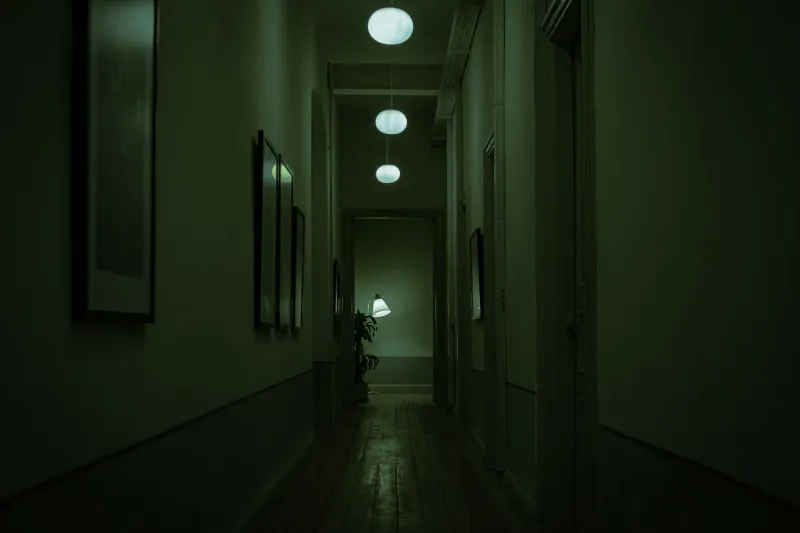
What makes the movie work is that it doesn’t cheat the audience. The clues are there. The pattern is real. But the film withholds the satisfaction of confirmation until the social cost of being right has already been paid. That’s a harder trick than a masked figure in a doorway. It requires writing, performance, and sound design that can make an empty hallway feel like it’s lying to you.
It also gives the film a distinctly American kind of tension. We are a country that runs on credibility—on being believed by cops, bosses, doctors, and group chats. A villain who weaponizes that isn’t just scary. He’s recognizable. He’s the reason you rehearse a story before you tell it. He’s the reason you wonder if you’re being dramatic. That’s a very 2026 fear, and Crying Wolf knows it.
Why US Audiences Are Leaning In
After years of franchise bloat and trailer reveals that spoil the third act, viewers are hungry for menace that respects their patience. The 2026 thriller slate is answering that hunger with villains who do less but mean more. These antagonists don’t need a monologue. They need a calendar.
There’s also a practical appeal. A patient villain makes a theater crowd quiet. You lean forward. You stop checking your phone. You start listening to the person next to you breathe. That’s the kind of tension that travels by word of mouth, and in a market where indie titles live or die on opening-weekend chatter, it’s worth more than a hundred jump-cut stings.
The audience response isn’t just about taste. It’s about fatigue. We’ve seen the monster. We’ve seen the CGI. We’ve seen the sequel setup. What we haven’t seen enough of is a villain who makes us doubt the hero’s sanity on purpose, then makes us feel guilty for doing it.
The Indie Playbook: Let the Audience Do the Doubting
For indie filmmakers, the lesson is not “make a slow movie.” The lesson is “make the audience do the work.” You don’t need a creature budget to make a room feel occupied. You need a character who is tired of being disbelieved, a supporting cast that has reasonable doubts, and a villain who knows exactly when to be absent.
That means writing scenes where nothing happens—but something is wrong. It means letting silence carry information. It means trusting that a closed door can be more threatening than an open one. Crying Wolf uses those tools like a scalpel, and the result is a film that feels bigger than its resources because it understands where fear actually lives: in the gap between what the hero knows and what everyone else is willing to admit.
The risk, of course, is that patience can curdle into boredom. A villain who waits too long stops being scary and starts being late. The trick is escalation through evidence, not noise. Every false alarm should cost the hero something. Every dismissal should narrow the escape route. By the final act, the audience should be desperate for the hero to be believed—and terrified that she won’t be.
That’s the long game. The wolf doesn’t need to show up early. He just needs you to cry wolf first. And in 2026, that’s the scariest move a thriller villain can make.