The Credential Is the Alibi: Why Thrillers' Smartest Skeptic Is Always the Last to Believe
Photo: skeptical security consultant flashlight dark hallway thriller, via www.timescall.com
Every thriller has that one character. You know the type. Clipboard, lanyard, a tone that suggests they've never been wrong about anything, ever. They're not the villain. They're worse. They're the debunker.
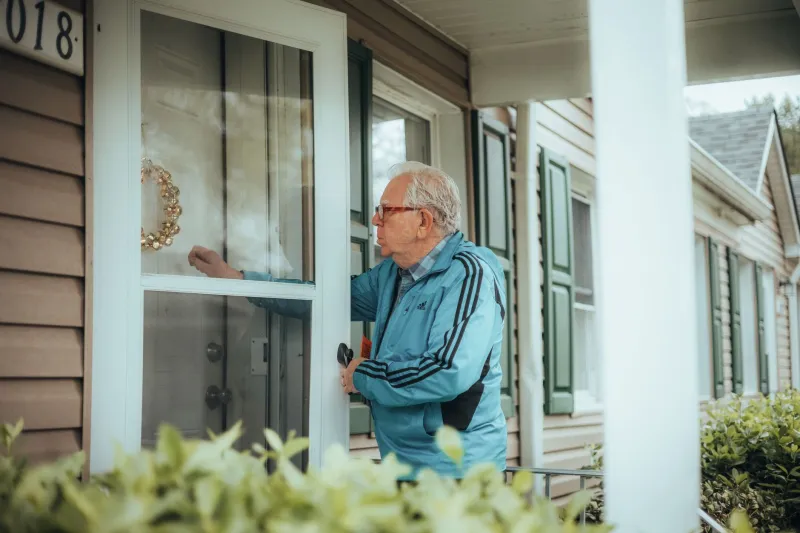
They show up after the first scream. They measure the window. They check the wiring. They tell the terrified homeowner that the noise was the ice maker, the wind, the neighbor's dog. And because they have a badge, a certification, or a five-star review, everyone exhales. The movie lets us exhale too. Then it takes that exhale and turns it into a scream.
That's the nerve Crying Wolf pokes at. Not every scream is a false alarm, sure. But the film knows the most dangerous person in the room isn't the one yelling. It's the one calmly explaining why nobody should.
The Laminated Badge Is the Weapon
Thrillers love credentials because credentials are a shortcut to authority. An amateur saying 'it was probably nothing' is just a neighbor. A professional saying it is a verdict. The insurance investigator with a clipboard can turn a haunted house into a claim denial. The security consultant with a checklist can turn a stalker into a system glitch. The fact-checker with a spreadsheet can turn a death threat into a typo.
The debunker's power isn't knowledge. It's the social permission to stop looking. Once the expert says the alarm is false, the room relaxes. The cops stop asking questions. The family goes back to bed. The audience leans back too — until the camera holds on the hallway a beat too long.
That's why the false alarm feels more dangerous when a professional delivers it. An amateur's dismissal is an opinion. An expert's dismissal is an instruction. And in a thriller, instructions get people killed.
The Arc We All Recognize
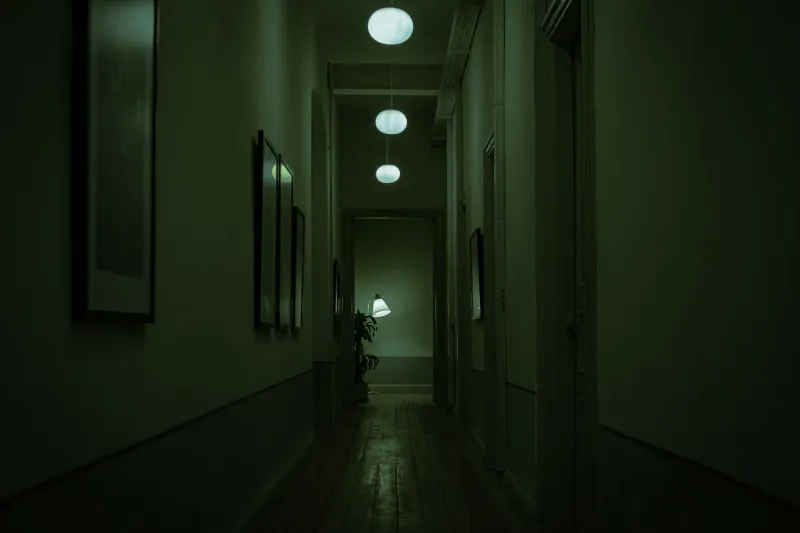
The debunker's story arc is almost always the same. Act one: certainty. Act two: cracks. Act three: panic. They start with a theory that fits the evidence. Then the evidence stops fitting. They explain it away once. Twice. Three times. By the final act, they're the one sweating through a flashlight beam, and we're the one yelling 'I told you so' at the screen.
It works because we've all been that person. We've all talked ourselves out of a bad feeling. We've all let a label — rational, skeptical, evidence-based — become a cage. The debunker is our inner voice with a LinkedIn profile. When they finally believe, it's not just a plot turn. It's an apology we've been waiting for.
Crying Wolf understands that the smartest person in the room is often the last to believe. Not because they're stupid. Because belief would cost them something. Their identity. Their job. Their sense of how the world works. The scream is asking them to give that up. The thriller is the story of them refusing — and then paying for it.
Why the False Alarm Needs a Professional
You can't build a great false-alarm scene around a random guy. You need someone with something to lose. A security consultant who sold the system. An insurance adjuster with a quota. A fact-checker who's been burned by one too many hoaxes. Their skepticism isn't lazy. It's earned. That's what makes it tragic.
In Crying Wolf, the debunker isn't a strawman. They're the audience's own defense mechanism in a nice jacket. We want them to be right. We need them to be right. Because if they're wrong, then the rules we use to feel safe — check the locks, trust the report, wait for the expert — don't work.
And that's the dilemma. The more certain the expert, the harder the fall. The more credentials they flash, the more we feel the danger behind them. A false alarm from a pro is not a relief. It's a promise that the real alarm is still coming.
The 2026 Version of the Debunker
We live in a year where every viral clip gets a fact-check before lunch. Every doorbell camera comes with a hot take. We've all become armchair debunkers, explaining away what we can't process. That's what makes the archetype feel less like a movie trope and more like a mirror.
Crying Wolf doesn't hate expertise. It just knows what happens when expertise becomes armor. The debunker isn't the villain because they're smart. They're the villain because they're too smart to admit they're scared. And in a thriller, the smartest person in the room is often the one who gets the last scream.
So when you watch the trailer, pay attention to the skeptic. Not the one with the knife. The one with the clipboard. They're the reason the tagline works. Not every scream is a false alarm. Sometimes it's the expert who's crying wolf.