Fake Alarms, Real Lines Around the Block: 7 Horror Marketing Stunts That Fooled Us All (Gladly)
Every horror fan has been burned before. The trailer promised a sleep-destroyer. The poster screamed that it was based on true events. The viral clip felt way too real. Then you bought your ticket — and somewhere around the second act, you realized you'd been played.
And here's the uncomfortable truth: you'll do it again next weekend.
That's the dirty little engine of horror marketing. It's the boy who cried wolf, weaponized. The wolf never shows up, but your pulse doesn't know that. Let's walk through seven times studios and indie filmmakers cried wolf so convincingly that America lined up around the block to check for teeth marks.
1. The 'Based on a True Story' Flex
The granddaddy of them all. The Texas Chain Saw Massacre opened in 1974 with narration insisting the events you were about to see actually happened, complete with a date and a solemn tone. It didn't. But that one line of disclaimered fiction turned a scrappy Texas shoot into a permanent fixture of American horror.
The trick works because 'true story' converts fear into possibility. Suddenly the movie isn't a movie — it's a warning. Never mind that the fine print says otherwise. Nobody reads fine print in a dark theater.
2. The Blair Witch Went Full Method
Before 1999, most people didn't know what 'viral marketing' meant. Then three film students 'went missing' in the Maryland woods, and the internet — young, gullible, glorious — did the rest. Missing-person posters. Fake documentaries. A website full of 'evidence.'
A film shot for roughly the price of a used car grossed nearly a quarter of a billion dollars. The alarm was fake. The fear? Ask anyone who saw it in theaters whether they slept that night.
3. The 911 Call You Weren't Supposed to Trace
Found-footage films learned fast that nothing sells dread like audio of someone's worst day. Marketing campaigns for titles like The Last Exorcism and various Paranormal Activity sequels leaned on leaked 'emergency calls' and police-footage-style clips that blurred the line between promo and news report.
Local morning shows picked them up. Comment sections lit up with 'is this real??' And every skeptical reply was free advertising. The genius is in the loop: the more people called it fake, the more people showed up to settle the argument.
4. Paranormal Activity Turned Theaters Into Prank Shows
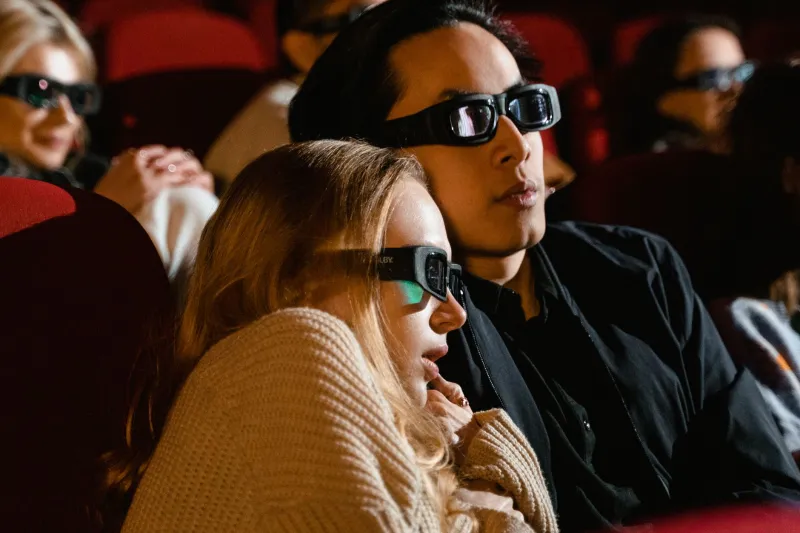
Paramount's campaign for Paranormal Activity didn't just market the movie — it marketed the audience. Trailers cut to real theater footage: grown adults flinching, popcorn arcing through the air, someone's date physically leaving the room.
You weren't buying a ticket to a movie. You were buying proof of your own bravery. That's a much better deal, and audiences took it 79 million times over domestically.
5. The Curse That Came With the Ticket
The Ring era gave us a new angle: the haunted property. Films like The Possession and various Japanese horror remakes were bundled with lore about cursed sets, spooky on-set incidents, and crew members who 'refused to talk about it.'
Is any of it verifiable? Barely. Does it matter? Not even slightly. A curse is the ultimate wolf-cry — unfalsifiable, sticky, and perfectly engineered for campfire retelling. Every retelling is a free ad buy.
6. The Stunt That Made the News
Some campaigns went further than fake footage. Promoters have staged fake break-ins, planted creepy clown sightings, and hired actors to lurk near premiere venues. When the local news covers your marketing stunt as an actual event, you've achieved the horror marketer's dream: the alarm gets reported as real before anyone checks the source.
It's a delicate game, of course. Cry wolf too hard and the audience stops trusting you — or worse, the cops get involved. The best stunts live exactly on the line.
7. The Trailer That Wasn't a Trailer
The modern evolution: the 'authentic' clip. A shaky phone video of something inexplicable, uploaded with a caption like 'my brother filmed this before he disappeared.' No studio logo. No title card. Just enough production polish to feel plausible and enough grain to feel dangerous.
These clips rack up millions of views before anyone knows they're tied to a movie. By the time the title reveal hits, the fear has already been installed. The ticket purchase is just the uninstall fee.
Why We Keep Falling For It
Here's the thing — and it's the whole reason our film is called Crying Wolf — audiences aren't stupid. We know the alarm is fake. We buy the ticket anyway.
Because the fear is real. The sting of a good jump scare, the dread of a slow zoom on an empty hallway, the walk to your car afterward — none of that requires the wolf to actually exist. Horror marketing understands something profound about human psychology: we don't show up for the truth. We show up for the possibility of the truth.
So the next time you see a 'leaked' 911 call or a poster swearing this really happened, go ahead and roll your eyes. Then buy your ticket.
The boy cried wolf. The village showed up anyway. That's not a cautionary tale — that's a business model.
Crying Wolf — in theaters soon. The alarm is fake. The fear is not.